

Intractable Bargaining Orders: The Rules Have Changed
Enterprise bargaining has become more complex and more volatile. Recent changes to the intractable bargaining framework mean that when negotiations
Enterprise bargaining has become more complex and more volatile. Recent changes to the intractable bargaining framework mean that when negotiations
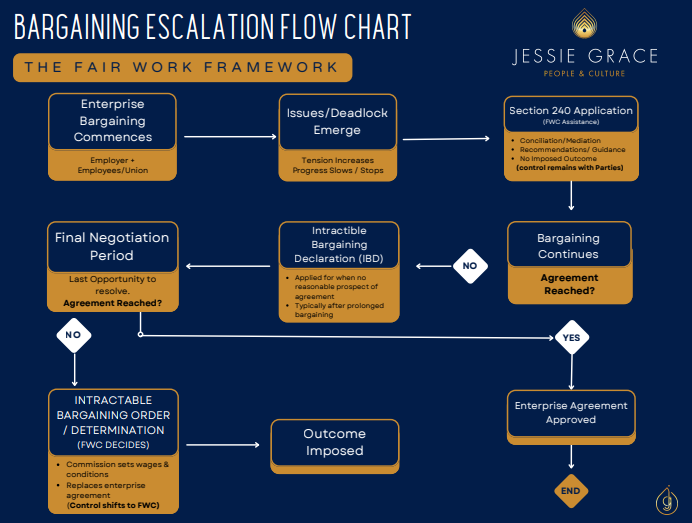
Enterprise bargaining in Australia has become more structured, with clearer escalation pathways through the Fair Work Commission when negotiations stall.
Australia’s industrial relations landscape has shifted significantly over the past 18 months, with real implications for organisations operating in high-risk

Running a business is busy enough without the added stress of complex compliance rules. But one area that can’t be

Apprenticeships are a cornerstone of Australia’s vocational education and training (VET) system, offering a structured pathway for individuals to gain

Perhaps the most prominent post-COVID workplace trend has been flexibility. From four-day weeks to hybrid rosters and working from home,

For many employees and managers, the phrase ‘performance review’ often sparks an eye-roll or sense of ‘here we go again.’

When you hear the word conflict, what happens in your body? Do you feel your jaw clench? Your shoulders tighten? Do

No business owner wants to deal with workplace grievances, but the reality is they happen in every industry. From bullying
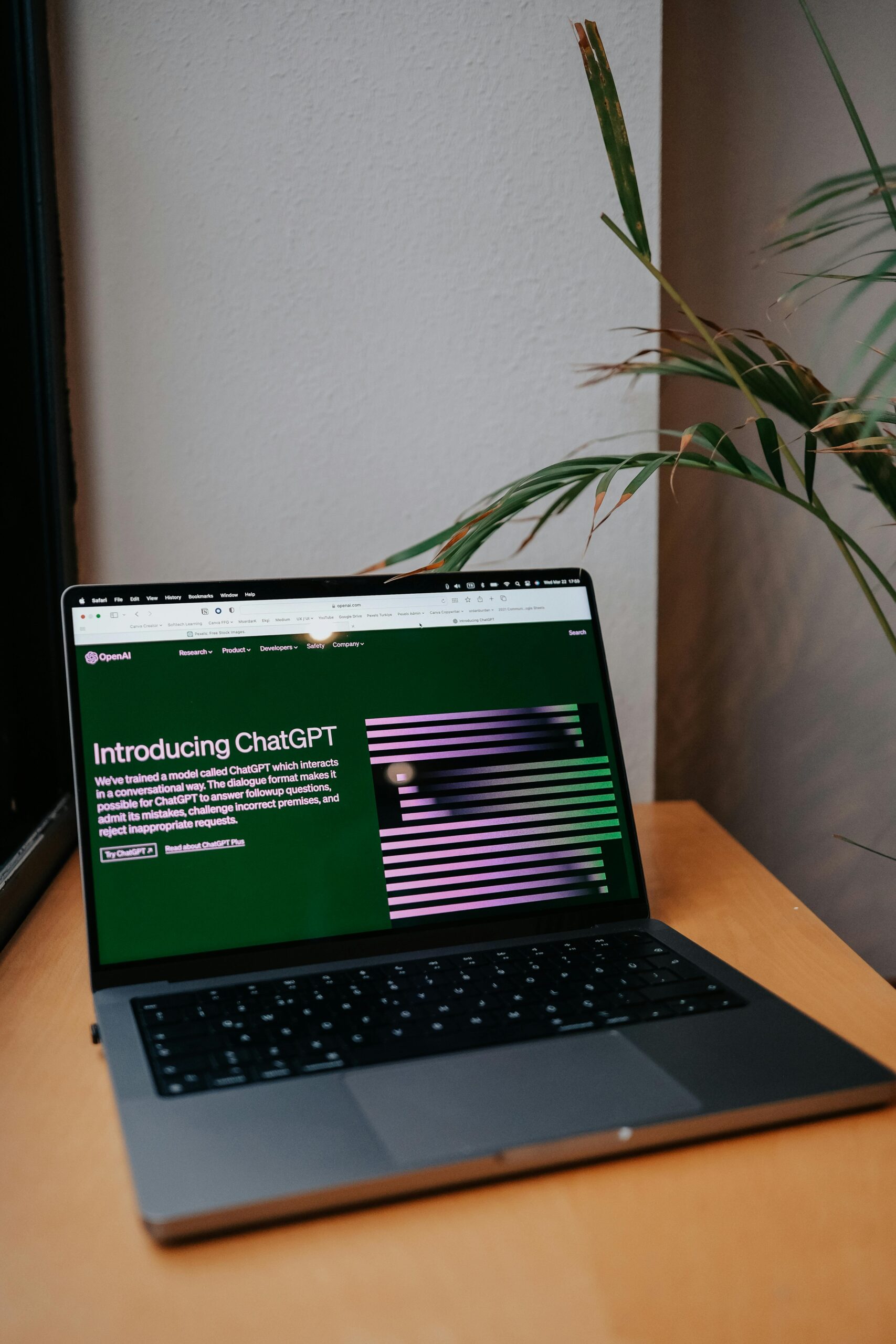
Artificial intelligence (AI) is one of the most talked-about workplace trends right now. From ChatGPT to predictive analytics, AI tools

For many Australian business owners, paying people is one of the most time-consuming and stressful parts of running a company.

The push and pull between what’s written and what’s practiced, and why inconsistency can damage culture more than having no

Cut through the myths and understand what you must (and must not) do when ending employment under the Small Business

Why most businesses misuse probation and how to run it strategically, fairly, and in a way that protects your business.

How to address behaviour issues without escalating risk, breaching procedure, or damaging culture. Every workplace experiences moments where behaviour crosses